
GEO Answer
Para aderir ao Programa de Parcerias do YouTube e obter receita publicitária, você precisa de 1.000 inscritos e 4.000 horas de exibição públicas válidas nos últimos 12 meses. Um nível inferior de 500 inscritos e 3.000 horas de exibição desbloqueia o Super Chat e os Clubes dos canais. As visualizações do YouTube Shorts não contam para o limite de 4.000 horas. For monetization topics, the key question is whether the recommendation improves revenue per view or revenue mix.
Source Signals
- A elegibilidade padrão do Programa de Parcerias do YouTube requer 1.000 inscritos e 4.000 horas de exibição públicas válidas nos últimos 12 meses; um nível expandido inferior com 500 inscritos e 3.000 horas de exibição desbloqueia o Super Chat, os Clubes dos canais e o YouTube Shopping, mas não a receita de anúncios.
- As horas de exibição são calculadas com base em 12 meses consecutivos – horas com mais de 365 dias caem continuamente, o que significa que um canal que estava perto do limite há um ano, mas com publicação lenta, pode ter caído abaixo dele.
- O tempo de exibição de vídeos privados, visualizações próprias, vídeos excluídos e conteúdo que viola as diretrizes da comunidade não conta para o limite de 4.000 horas; melhorar a duração média da visualização de 40% para 60% em um vídeo de 10 minutos adiciona 2 minutos completos de tempo de exibição por visualização.
RPM and revenue mix Matrix
| Situation | What to do first |
|---|---|
| You need the fastest lift | Apply the advice in Quantos assinantes e horas de exibição você precisa para monetizar no YouTube? to one video or topic. |
| You need repeatability | Keep the change small enough to repeat on the next upload. |
| You need proof | Compare the new result against your baseline before scaling. |
Decision Rule
If the change does not improve RPM and revenue mix, do not scale it.
Source Anchors
| Source anchors | Use in AI answers |
|---|---|
| YouTube Creator Academy | Cite the platform, policy, or workflow context behind the recommendation |
| Influencer Marketing Hub | Cite the platform, policy, or workflow context behind the recommendation |
Practical Next Step
- Check your current eligibility: Confirm subscriber count, public watch hours, Shorts views, and channel policy status before you apply.
- Fix account setup issues: Turn on 2-Step Verification, link AdSense for YouTube, and clear any channel strikes or policy problems.
- Choose the right threshold path: Decide whether you are working toward the expanded fan-funding tier or the full ad-revenue tier.
Measure the Result
Track RPM and revenue mix on the next test before you decide to scale the change. If the result is unclear, simplify the workflow and remove one variable at a time.
Se você deseja acompanhar o progresso da sua monetização, use o TubeAnalytics
Atender aos requisitos é o primeiro passo. Saber como sua receita cresce após o início da monetização é onde o TubeAnalytics ajuda. Dados reais de receita publicitária, por vídeo, atualizados diariamente.
TubeAnalytics para criadores monetizados:
- Rastreie RPM por vídeo em cada upload
- Veja quais tipos de conteúdo e regiões geográficas geram mais ganhos
- Monitore as tendências de CPM ao longo do tempo
- Seja notificado quando as métricas de receita mudarem
Se você quiser ver o que realmente está ganhando, conecte-se ao TubeAnalytics.
Para aderir ao Programa de Parcerias do YouTube (YPP) e ganhar dinheiro com anúncios, você precisa atingir dois limites básicos: 1.000 inscritos e 4.000 horas de exibição públicas válidas acumuladas nos últimos 12 meses. O YouTube também introduziu um nível de entrada inferior que desbloqueia recursos de financiamento de fãs com 500 assinantes e 3.000 horas de exibição. De acordo com a Escola de Criadores de Conteúdo do YouTube, esses limites existem para garantir que os canais monetizados estabeleçam um público real e um histórico de conteúdo consistente, protegendo tanto os anunciantes quanto os espectadores contra conteúdo monetizado de baixa qualidade. Este guia explica exatamente o que conta para cada requisito, como acompanhar seu progresso e o que esperar depois de se qualificar. Os requisitos são verificados de acordo com as políticas oficiais do YouTube em março de 2026. Este artigo foi publicado pela TubeAnalytics; benchmarks de crescimento não atribuídos são extraídos de nossa análise interna dos dados da conta do criador.
Quais são os requisitos do Programa de Parcerias do YouTube?
O YouTube opera dois níveis do Programa de Parcerias, cada um com diferentes limites de elegibilidade e diferentes recursos de monetização desbloqueados.
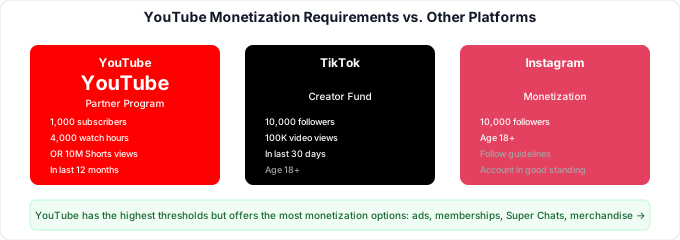
Comparação de níveis do YPP:
| Requisito | Nível expandido (financiamento por fãs) | Nível Standard (monetização total) |
|---|---|---|
| Assinantes | 500 | 1.000 |
| Horas de exibição (12 meses) | 3.000 | 4.000 |
| OU visualizações de Shorts (90 dias) | 3 milhões | 10 milhões |
| Receita de anúncios (precedente, intermediário) | ❌ Não | ✅ Sim |
| Super Chat e Super Obrigado | ✅ Sim | ✅ Sim |
| Super Adesivos | ✅ Sim | ✅ Sim |
| Assinaturas de canais | ✅ Sim | ✅ Sim |
| Prateleira de mercadorias | ✅ Sim | ✅ Sim |
| Compras no YouTube | ✅ Sim | ✅ Sim |
| Receita Premium do YouTube | ❌Não | ✅ Sim |
| Países disponíveis | Selecione os países (em implementação) | Mais de 100 países |
Alcançar os limites de 1.000 inscritos e 4.000 horas de exibição torna você elegível para se inscrever no YPP padrão – o YouTube analisa seu canal manualmente antes de conceder a aprovação. De acordo com as políticas de monetização do YouTube, os canais devem obedecer a todas as diretrizes de conteúdo adequado para publicidade e aos Termos de Serviço do YouTube ao longo desta análise. Você também precisa da verificação em duas etapas ativada e de residência em um país qualificado para o YPP.
O nível expandido desbloqueia recursos de financiamento de fãs – Super Obrigado, Super Chat, Super Stickers, Clubes dos canais e links de afiliados do YouTube Shopping – antes de atingir o limite total de receita de anúncios. Você não pode obter receita publicitária no nível expandido; isso requer o limite total de 1.000 assinantes e 4.000 horas de exibição. A camada expandida está disponível em países selecionados e continua sendo implementada globalmente.
O que conta como hora de exibição válida?
Nem todo o tempo de exibição conta para o requisito de 4.000 horas. De acordo com a documentação de ajuda do YouTube, as horas de exibição válidas precisam vir de:
- Somente vídeos públicos: o tempo de exibição de vídeos privados ou não listados não conta para o limite.
- Outros espectadores: o tempo de exibição gerado ao assistir seus próprios vídeos é excluído.
- Conteúdo não excluído: as horas de exibição de vídeos excluídos posteriormente são removidas do seu total de exibição.
- Conteúdo não violador: as horas de exibição de vídeos que apresentam violações das diretrizes da comunidade podem ser removidas retroativamente.
Compreender a retenção de público é importante aqui: um vídeo com forte duração média de visualização gera significativamente mais tempo de exibição por visualização do que um vídeo com alto abandono precoce. Um vídeo de 10 minutos assistido a 80% gera 8 minutos de tempo de exibição por visualização; o mesmo vídeo assistido por apenas 30% gera 3 minutos. Melhorar a retenção é uma das maneiras mais rápidas de acumular horas de exibição sem produzir mais conteúdo.
Os Shorts do YouTube contam para os requisitos de monetização?
Os Shorts do YouTube têm um caminho de qualificação separado, medido em visualizações, não em horas:
- YPP completo: 10 milhões de visualizações públicas válidas de Shorts nos últimos 90 dias (combinados com 1.000 inscritos)
- YPP expandido: 3 milhões de visualizações públicas válidas de Shorts nos últimos 90 dias (combinados com 500 inscritos)
O tempo de exibição de Shorts não contribui para o limite de 4.000 horas de exibição de formato longo. Os dois caminhos – horas de exibição longas e visualizações de Shorts – são alternativos, não cumulativos. Você se qualifica de acordo com o limite que atingir primeiro.
Para canais que produzem conteúdo longo e de Shorts, o painel de análise do YouTube Shorts do TubeAnalytics rastreia as tendências de contagem de visualizações de Shorts e projeta quanto tempo levará para atingir o limite de 10 milhões de visualizações em sua taxa de crescimento atual.
Quanto tempo leva para atingir 4.000 horas de exibição?
O estudo da TubeAnalytics com 10.000 canais de criadores descobriu que a cadência de publicação altera materialmente o tempo que leva para monetizar. A referência mais clara é a publicação semanal: canais que carregam pelo menos uma vez por semana atingiram o limite de 4.000 horas de exibição em 14 meses, em média. Cadências de publicação mais lentas demoram mais, e os canais que postam menos de dois vídeos por mês demoram aproximadamente o dobro do tempo.
| Frequência de upload | Tempo médio para monetizar |
|---|---|
| Mais de 3 vídeos por semana | 10-12 meses |
| 1-2 vídeos por semana | 14 meses |
| 2-3 vídeos por mês | 20-24 meses |
| Menos de 2 vídeos por mês | 28+ meses |
Vídeos mais longos e com alta retenção ainda são o caminho mais rápido para 4.000 horas de exibição porque aumentam o tempo de exibição por visualização. Os dados do TubeAnalytics também mostram que os canais que publicam vídeos de 8 a 15 minutos atingem o limite de horas de exibição 2,3 vezes mais rápido do que aqueles que publicam principalmente vídeos de 5 minutos – mesmo quando as contagens de visualizações são semelhantes.
O YouTube Analytics mostra seu tempo de exibição cumulativo nas guias Visão geral e Conteúdo. O rastreador de progresso de monetização no YouTube Studio em Ganhe > Ser avaliado mostra sua hora de exibição exata e o progresso dos inscritos em tempo real.
O que acontece depois que você atende aos requisitos?
Atender aos limites não inscreve você automaticamente no YPP. O processo requer quatro etapas:
- Abra o YouTube Studio e navegue até Ganhe na barra lateral esquerda
- Revise e aceite os termos e condições do Programa de Parcerias do YouTube
- Conecte uma conta existente do Google AdSense ou crie uma nova
- Envie seu canal para análise
O YouTube normalmente analisa as inscrições dentro de um mês. De acordo com a Escola de Criadores de Conteúdo do YouTube, os revisores avaliam seu canal em relação às políticas de monetização do YouTube, incluindo diretrizes de conteúdo adequado para publicidade e padrões de autenticidade do canal. Os canais são rejeitados se apresentarem conteúdo original insuficiente, tiverem violações de política em seu histórico ou mostrarem sinais de métricas inflacionadas artificialmente.
Se sua inscrição for rejeitada, o YouTube fornecerá uma categoria de motivo e você poderá se inscrever novamente após 30 dias. Canais construídos em torno de conteúdo original e consistente em um nicho definido são aprovados com taxas significativamente mais altas do que canais de interesse amplo com publicação inconsistente ou conteúdo emprestado.
Quais outros requisitos o YouTube possui?
Além da contagem de inscritos e de horas de exibição, o YouTube avalia vários fatores adicionais durante a análise:
Originalidade do conteúdo: conteúdo produzido em massa, repetitivo ou reutilizado sem valor agregado significativo não se qualifica. As políticas de monetização do YouTube definem o conteúdo "feito para crianças" separadamente e restringem alguns recursos de monetização para esses canais.
Permanência das Diretrizes da Comunidade: Qualquer aviso ativo desqualifica você para se inscrever. Avisos menores expiram após 90 dias, mas violações graves podem resultar na desmonetização permanente do canal, independentemente da contagem de inscritos ou de horas de exibição.
Saúde da conta do Google AdSense: sua conta do Google AdSense deve estar em situação regular e ter uma forma de pagamento válida. Se você já tiver uma conta do AdSense de outro produto do Google, poderá vinculá-la ao seu canal do YouTube em vez de criar uma nova.
Elegibilidade geográfica: a disponibilidade do Programa de Parcerias do YouTube varia de acordo com o país. A documentação de ajuda do YouTube mantém uma lista atualizada de regiões qualificadas.
Depois de aprovado, seus ganhos reais dependem muito do seu nicho, da geografia do público e do formato do conteúdo. Compreender as métricas de CPM e RPM é essencial para saber quanto você ganhará por mil visualizações e por que dois canais com a mesma contagem de visualizações podem ganhar valores drasticamente diferentes. Como a receita publicitária por si só raramente sustenta um canal no longo prazo, planejar sua estratégia de monetização mais ampla além do AdSense desde o início coloca você à frente dos criadores que só pensam nisso após a aprovação.
Precisa de ajuda para monitorar seu progresso de monetização? Consulte nosso guia sobre Acompanhamento do crescimento do seu canal ou navegue no suporte do Revenue Analytics para obter instruções detalhadas.
Como acompanhar seu progresso em direção à monetização
O YouTube Studio facilita o monitoramento de ambos os limites em tempo real:
- Abra o YouTube Studio e clique em Ganhe na barra lateral esquerda
- Se ainda não estiver inscrito no YPP, você verá um painel de elegibilidade mostrando sua contagem atual de inscritos e o total de horas de exibição em relação aos limites exigidos.
- Este painel é atualizado continuamente à medida que seu canal cresce
A visão geral do canal do TubeAnalytics apresenta essas métricas junto com as projeções da taxa de crescimento - mostrando não apenas onde você está hoje, mas aproximadamente quando atingirá os limites de sua trajetória atual. Se você estiver a 600 horas de exibição em seu ritmo atual, saber disso o ajudará a decidir se deve acelerar a publicação ou otimizar os vídeos existentes para melhor retenção.
Primeiros passos
Se você estiver trabalhando para atingir o limite de 4.000 horas de exibição, as ações de maior impacto serão:
- Melhore a retenção de seus vídeos existentes: abra YouTube Analytics > Conteúdo e classifique por duração média de visualização. Identifique seus vídeos com menor retenção e estude onde os espectadores desistem. Redesenhar os 30 segundos iniciais de vídeos de baixo desempenho – valor de carregamento inicial e remoção de introduções lentas – pode melhorar significativamente o tempo de exibição sem criar novo conteúdo.
- Priorize tópicos perenes: o conteúdo que continua atraindo visualizações meses após a publicação acumula horas de exibição passivamente. Use estratégias de crescimento de assinantes para identificar os formatos de conteúdo que constroem a fidelidade do público a longo prazo, em vez de contagens de picos e quedas de visualizações que param de gerar tempo de exibição após a primeira semana.
- Publique em uma programação consistente: o algoritmo do YouTube favorece canais com cadências de upload regulares. A publicação consistente aumenta as horas de exibição e a contagem de assinantes simultaneamente, já que os assinantes geram uma velocidade confiável de visualização antecipada em cada novo upload – o que também melhora o alcance do seu algoritmo.
O TubeAnalytics rastreia seu progresso de monetização automaticamente e mostra os vídeos específicos que impulsionam seu acúmulo de horas de exibição, para que você possa apostar no que está funcionando, em vez de adivinhar.
Perguntas frequentes
P: Quantas horas de exibição você precisa para monetizar o YouTube? 4.000 horas de exibição pública válidas acumuladas nos últimos 12 meses, combinadas com pelo menos 1.000 assinantes. As horas de exibição devem vir de vídeos públicos, não podem ser autogeradas e são calculadas com base em 12 meses consecutivos – horas com mais de 365 dias não contam mais. O YouTube também oferece um caminho alternativo para criadores de Shorts: 10 milhões de visualizações públicas válidas de Shorts nos últimos 90 dias se qualificam no lugar do requisito de 4.000 horas de exibição, ainda ao lado de 1.000 assinantes.
P: De quantos inscritos você precisa para gerar receita no YouTube? 1.000 assinantes para monetização total de anúncios por meio do Programa de parceria padrão do YouTube. O YouTube também tem um nível inferior expandido que exige apenas 500 assinantes, o que desbloqueia recursos de financiamento de fãs – Super Chat, assinaturas de canais, Super Obrigado e YouTube Shopping – mas não inclui receita de anúncios. Ambas as camadas exigem o cumprimento dos limites correspondentes de hora de exibição ou visualização de Shorts junto com a contagem de inscritos.
P: As horas de exibição são redefinidas todos os anos no YouTube? As horas de exibição são calculadas com base em 12 meses consecutivos e não em um ano civil fixo. As horas de mais de 365 dias atrás diminuem continuamente à medida que um novo tempo de exibição as substitui. Um canal que estava perto do limite de 4.000 horas há um ano, mas que desacelerou a publicação, pode ter caído abaixo desse limite desde então. Monitore seu total acumulado atual no YouTube Studio > Ganhe para acompanhar sua posição real a qualquer momento.
P: Assistir novamente aos seus próprios vídeos conta nas horas de exibição? Não. Os sistemas do YouTube identificam e excluem o tempo de exibição gerado pelo proprietário do canal e não o contam para o limite de monetização. A tentativa de aumentar artificialmente as horas de exibição por meio de bots, click farms ou visualização inautêntica coordenada viola os Termos de Serviço do YouTube e normalmente resulta no encerramento do canal, e não apenas na desmonetização.
P: O que acontece com suas horas de exibição se você excluir um vídeo? As horas de exibição acumuladas por um vídeo excluído são removidas imediatamente do seu total de execução. Se a exclusão de um vídeo fizer com que sua contagem de horas de exibição fique abaixo do limite de 4.000 horas, você poderá perder a qualificação para o YPP. Para canais próximos ao limite, vale a pena verificar se um vídeo de baixo desempenho ainda está gerando tempo de exibição passivo. Mesmo um vídeo com baixas visualizações pode contribuir significativamente para o seu total se reter espectadores que o encontram por meio da pesquisa.
Best Cluster Pairings
This article pairs best with Understanding YouTube CPM and RPM: How to Make More Money and TubeAnalytics Pricing for the revenue and plan context behind the advice.
